

How to recognize the ultrafilter membrane(2)
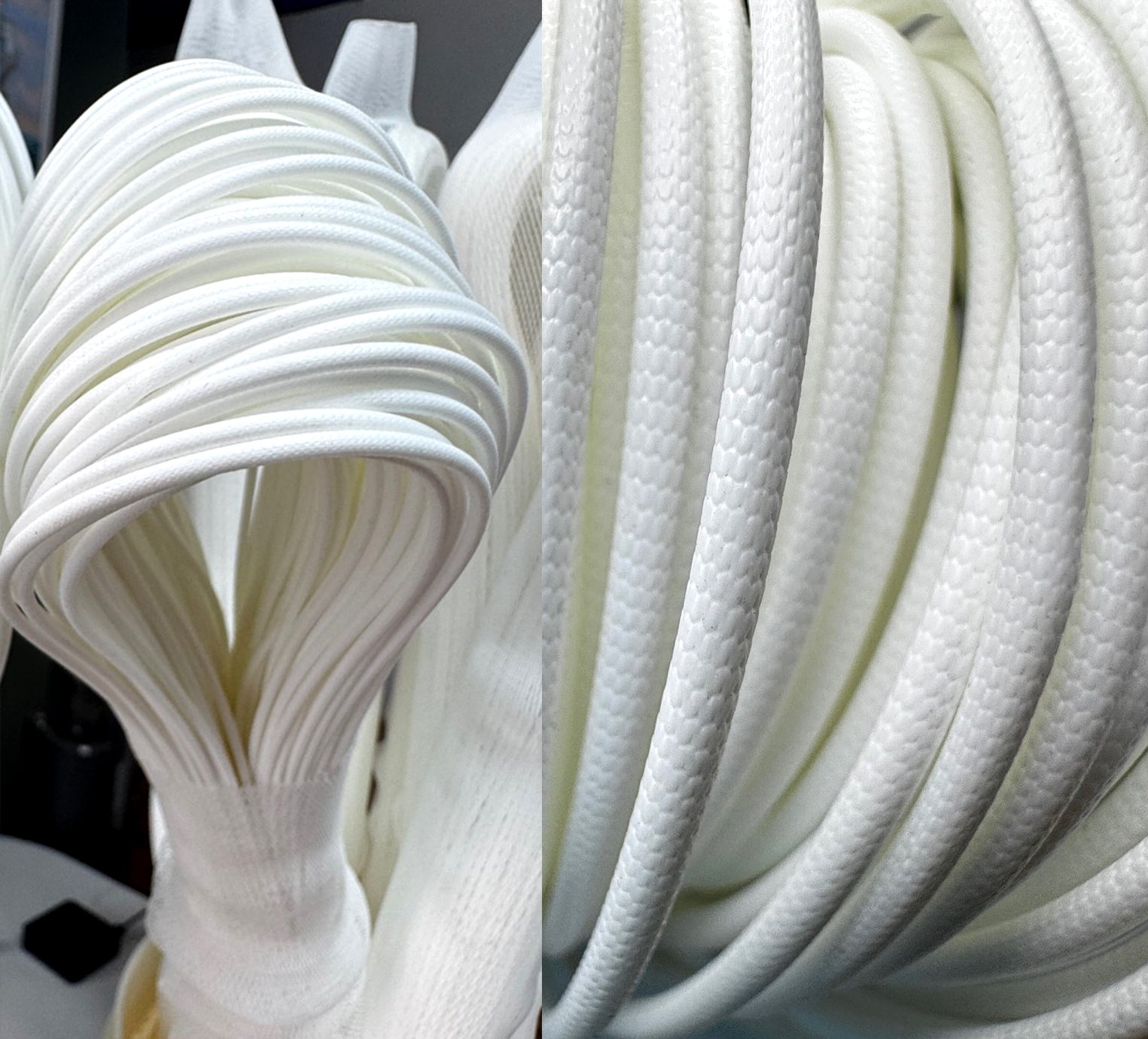
This membrane fiber features a clear, regular texture, excellent mechanical strength, a complete pore structure, and a very thin, dense separation layer. A high-quality supported membrane, when viewed under backlighting or at a specific angle, should show the uniform texture of the internal support fabric, indicating a thin and uniform coating. Such filter elements have low filtration resistance, allowing water or other solvents to pass through more easily, resulting in a high water production rate per unit time. The retained pollutants mainly accumulate on the membrane surface, and the thin active layer makes it easier to remove pollutants through backwashing or chemical cleaning, resulting in good anti-fouling properties and recoverability. The high-quality support structure effectively enhances the mechanical strength of the membrane, preventing collapse under pressure. During manufacturing, the membrane undergoes processes such as heat setting or chemical setting, which tightly integrates the PVDF polymer with the support fabric. This gives the membrane excellent elastic recovery capabilities—even if temporarily deformed by external force, it can quickly return to its original shape. A clear and uniform texture usually indicates stable and sophisticated membrane manufacturing process control. A dull sound when touching the membrane fiber surface is due to immersion in glycerin or a protective solution, making the membrane fiber soft and elastic. For low-pollution, high-flux applications, thin-layer membranes are the preferred choice.
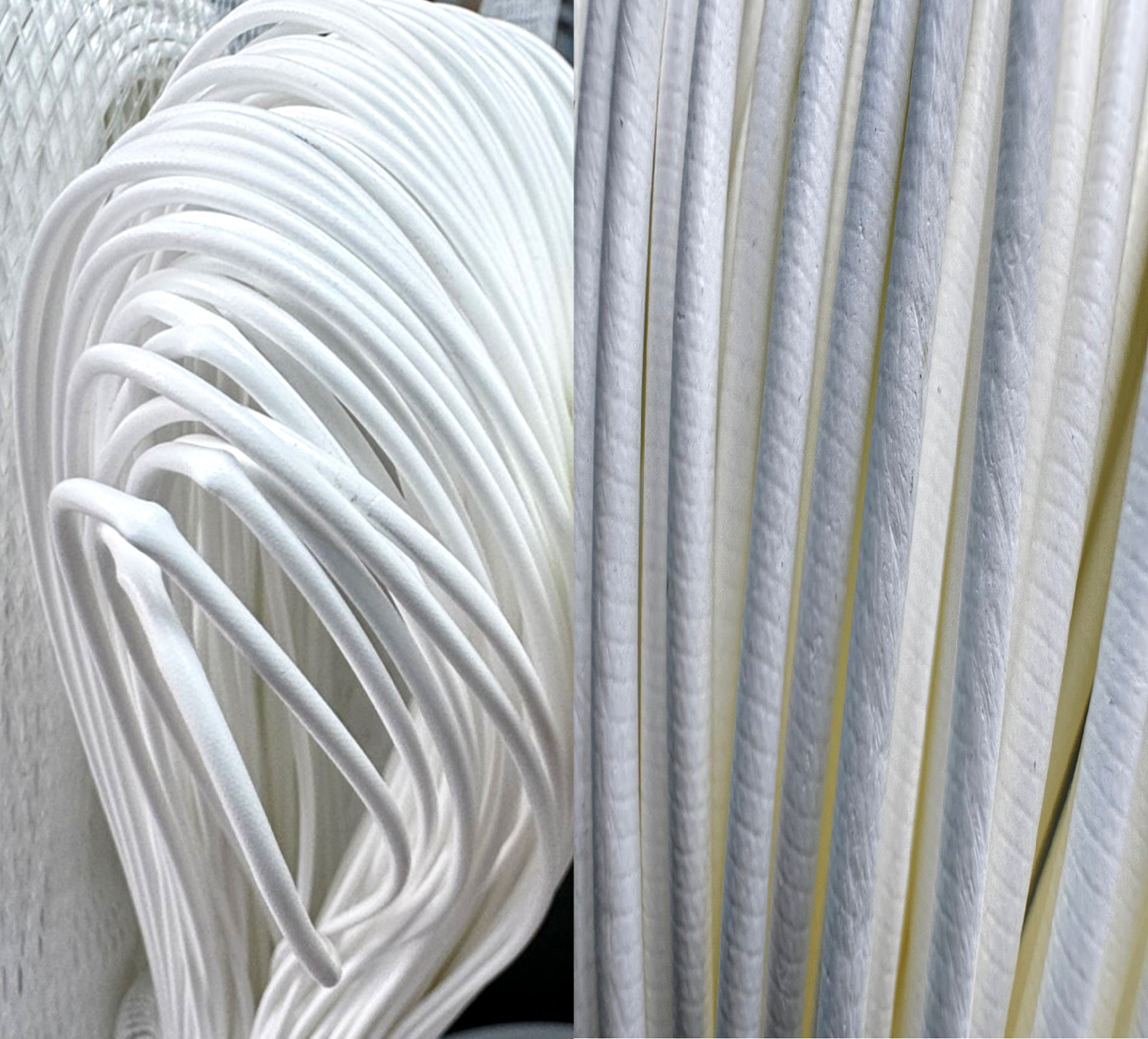
This type of membrane exhibits a blurry fiber texture, uneven coating thickness and density, inconsistent light transmission under backlighting, and uneven surface pore structure. A thick layer usually means a loss of high flux and high anti-fouling properties. This might be a desperate measure to conceal material defects (such as insufficient strength) or inadequate process precision. The coating process is poor. There are two reasons: firstly, the coating is too thick, completely covering the substrate; secondly, inferior or opaque raw materials (such as recycled materials with many impurities) are used, resulting in poor light transmission. The thick and uneven filter layer creates high resistance, resulting in low initial flux. The thick layer is prone to deep-seated clogging by pollutants, and the uneven surface is more likely to trap dirt. Lack of elasticity, easy folding, and weak bonding make it extremely susceptible to fiber breakage, delamination, and damage under hand washing or operating pressure. The uneven filter layer may have localized large pore defects, leading to impurity leakage. Its performance degrades very quickly, requiring frequent replacement, and may contaminate the downstream system due to premature damage, resulting in higher overall costs. Attempting to peel the PVDF layer from the substrate: a low-quality membrane will separate easily, while a high-quality membrane will have a strong bond and be difficult to peel. Touching the membrane surface produces a crackling sound; the membrane surface is dry and brittle, lacking elasticity. The fiber shaping process is inadequate; the fibers cannot recover after being flattened, easily leading to membrane damage, delamination of the substrate and separation layer, and ultimately leakage or fiber breakage, resulting in ineffective water filtration and reduced flux. The inability to recover or maintain its shape may be due to the inherent hard and brittle properties of the PVDF polymer itself, or the additives or substrate bonding strength may not meet standards. In some low-quality membrane manufacturing processes, residual plasticizers or solvents may also make the membrane material too soft.